Barack Obama Quotes: Verified Remarks on Democracy, Work, and Progress
Written by Quotes Giant Editorial Team Published on Updated Category: People
Barack Obama's most enduring quotes center on democratic citizenship, shared civic responsibility, and steady persistence across generations. Drawn directly from archived White House transcripts—including his 2009 and 2013 Inaugural Addresses, 2015 Selma remarks, and 2017 Farewell Address—this guide provides exact wording, dates, and historical context.
Section of: Government
Barack Obama’s most enduring remarks return again and again to a single civic theme: democracy is not a spectator sport, and national progress depends on ordinary people doing steady, demanding work together. As part of our government and politics quotes collection and our public figures archive, every quote on this page is verified directly against official White House transcripts—giving you exact wording, delivery dates, and historical context rather than recycled social-media paraphrases.
Verified Barack Obama Quotes by Speech and Theme
Before diving into individual themes, the table below summarizes the key verified quotes covered in this guide, along with their exact dates and official archival sources.
| Quote Excerpt | Speech or Occasion | Date |
|---|---|---|
| “Greatness is never a given. It must be earned.” | First Inaugural Address | January 20, 2009 |
| “While these truths may be self-evident, they’ve never been self-executing.” | Second Inaugural Address | January 21, 2013 |
| “To deny this progress, this hard-won progress… would be to rob us of our own agency.” | 50th Anniversary of Selma Marches | March 7, 2015 |
| “We, in fact, all share the same proud title, the most important office in a democracy: Citizen.” | Farewell Address (Chicago) | January 10, 2017 |
Across all four speeches—delivered across his two terms as the 44th President of the United States (2009–2017)—Obama consistently linked constitutional ideals to everyday civic and economic effort.
Quotes on Democracy and Citizenship
Obama’s Farewell Address on January 10, 2017, in Chicago offers his clearest statement on what democratic self-government requires from ordinary people—not only on election day, but across a lifetime.
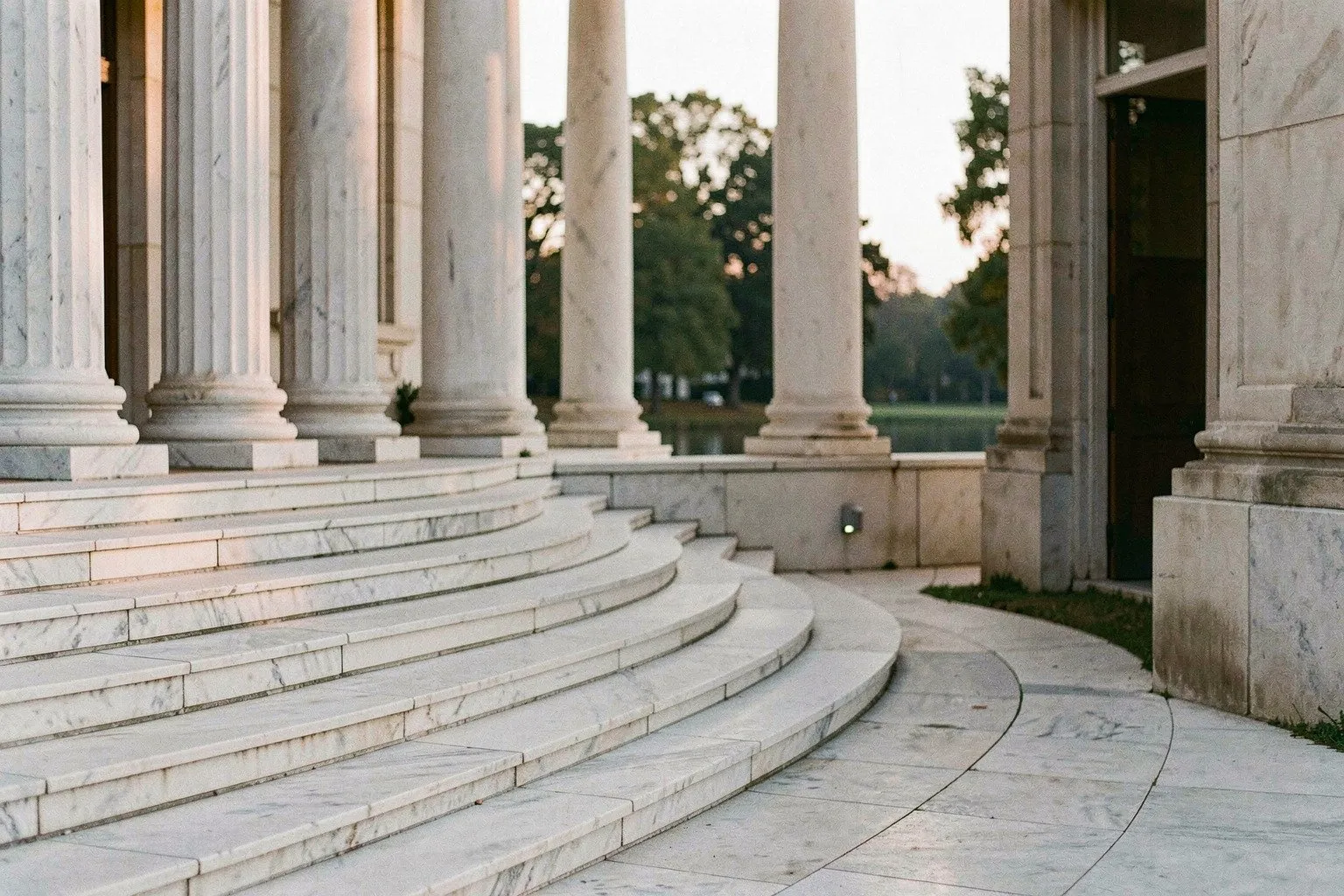
“It falls to each of us to be those anxious, jealous guardians of our democracy; to embrace the joyous task we’ve been given to continually try to improve this great nation of ours. Because for all our outward differences, we, in fact, all share the same proud title, the most important office in a democracy: Citizen.” — President Barack Obama, Farewell Address, January 10, 2017
In the same passage, Obama warned against two opposite traps that weaken democratic institutions: writing off the entire political system as inevitably corrupt, and sitting back to blame elected leaders without examining citizens’ own role in electing them. He urged Americans who were tired of arguing with strangers online to “try talking with one of them in real life.”
That emphasis on active, informed citizenship pairs naturally with Dan Rather’s critique of poll-driven governance: both argue that healthy democracy requires accountability and engagement rather than passive spectatorship.
Quotes on Work, Effort, and Nation-Building
Delivered on January 20, 2009, during the financial crisis, Obama’s First Inaugural Address framed national recovery around disciplined labor rather than shortcuts.
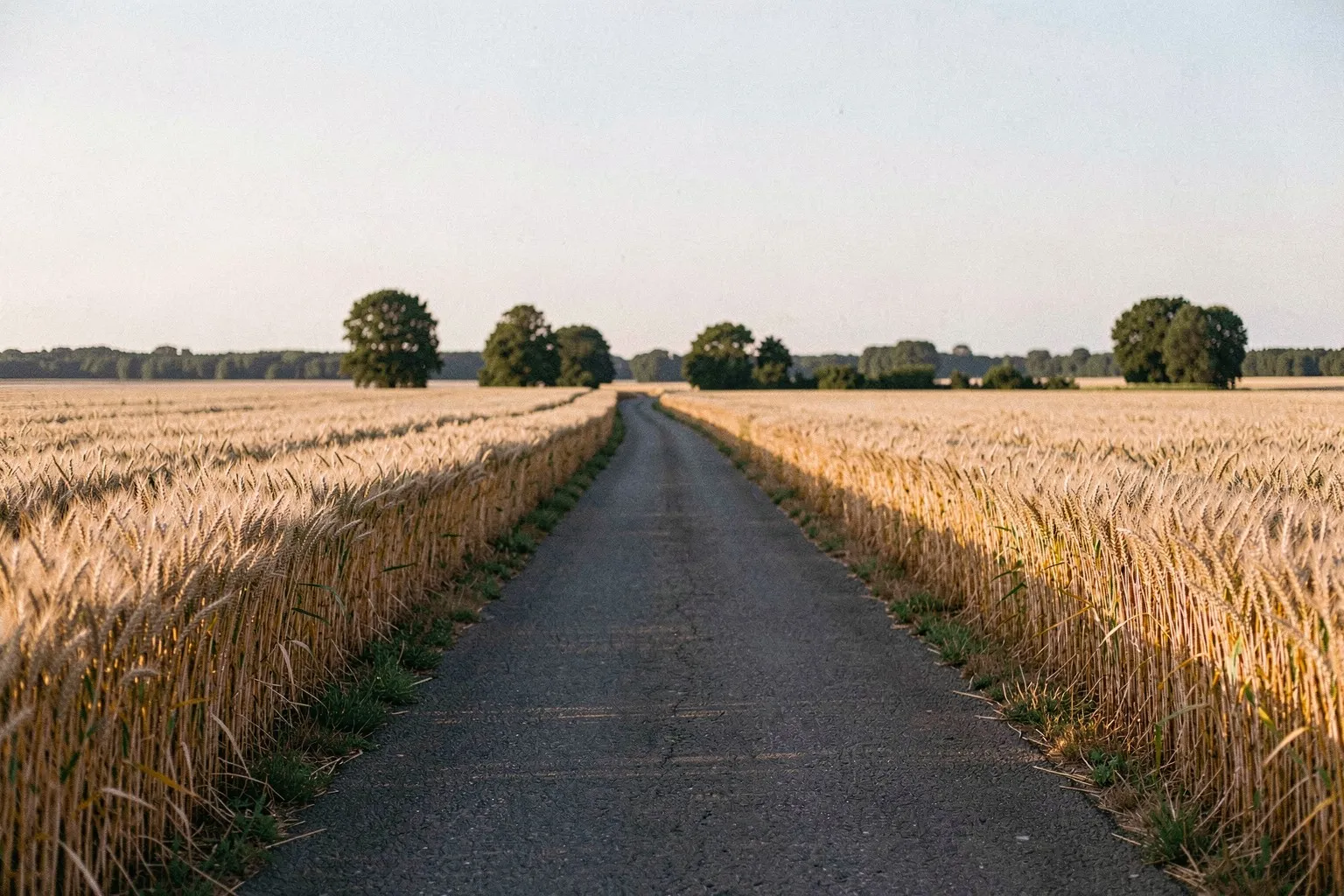
“In reaffirming the greatness of our nation we understand that greatness is never a given. It must be earned. Our journey has never been one of short-cuts or settling for less. It has not been the path for the faint-hearted, for those that prefer leisure over work, or seek only the pleasures of riches and fame. Rather, it has been the risk-takers, the doers, the makers of things — some celebrated, but more often men and women obscure in their labor — who have carried us up the long rugged path towards prosperity and freedom.” — President Barack Obama, First Inaugural Address, January 20, 2009
Notice how Obama honors “men and women obscure in their labor” alongside famous figures—a perspective that echoes Jessica Savitch’s observation about the eight hours of unseen hard work behind every public milestone and William Feather’s insistence that execution matters more than empty talk. While Donald Evans framed government’s economic role around creating conditions that attract private capital, Obama emphasized the human labor and sacrifice of workers, builders, and service members who sustain prosperity over generations.
Quotes on Constitutional Ideals and Civic Responsibility
In his Second Inaugural Address on January 21, 2013, Obama returned to the founding language of the Declaration of Independence to explain why rights and equality require ongoing public action.
“Today we continue a never-ending journey to bridge the meaning of those words with the realities of our time. For history tells us that while these truths may be self-evident, they’ve never been self-executing; that while freedom is a gift from God, it must be secured by His people here on Earth.” — President Barack Obama, Second Inaugural Address, January 21, 2013
In the lines immediately following, Obama reminded listeners that the founders “gave to us a republic, a government of, and by, and for the people, entrusting each generation to keep safe our founding creed.” By pairing “self-evident” with “never been self-executing,” he captured a central idea of American constitutionalism: written principles do not enforce themselves; each generation has to apply them to new realities.
Quotes on Hard-Won Progress and Agency
On March 7, 2015, standing at the Edmund Pettus Bridge in Selma, Alabama, to mark the 50th anniversary of the 1965 voting rights marches, Obama addressed both people who claim nothing has changed and people who claim the work of civil rights is finished.
“To deny this progress, this hard-won progress — our progress — would be to rob us of our own agency, our own capacity, our responsibility to do what we can to make America better.” — President Barack Obama, Remarks at the 50th Anniversary of the Selma to Montgomery Marches, March 7, 2015
In that same speech, Obama balanced recognition of real historical gains against an honest acknowledgment of unfinished work, adding that we “just need to open our eyes, and our ears, and our hearts” to see where racial tensions and barriers persist. The quote is especially useful in leadership and community discussions because it rejects both fatalism (“nothing ever improves”) and complacency (“the job is already done”).
Why Obama Quotes Are Often Misquoted Online
Short clips, social media graphics, and text-rewriting sites often alter political speeches, which is why exact wording matters. Common problems to watch for include:
- Garbled or paraphrased wording: Swapping in synonyms or trimming a sentence can break the grammar and change the meaning.
- Missing dates and venues: A line shared without its speech title and date cannot be checked against the transcript.
- Missing context: Removing a sentence from its surrounding paragraph can turn a nuanced argument, such as his Selma balance between progress and unfinished work, into a one-sided slogan.
How to Verify and Cite Barack Obama Quotes Accurately
Whenever you include a Barack Obama quote in an article, classroom handout, or speech, three quick habits keep your citation accurate:
- Check the official White House archive: Search
obamawhitehouse.archives.govfor the exact speech title and date (January 20, 2009,January 21, 2013,March 7, 2015, orJanuary 10, 2017) before publishing. - Preserve exact punctuation and wording: Keep the transcript wording intact, and use ellipses (
...) only when omitting words without changing the sentence’s meaning. - Include the venue and date: Naming the speech (for example, Farewell Address, Chicago, January 10, 2017) helps readers understand the historical moment behind the words.
For more verified remarks on public leadership, press accountability, and economic policy, explore our government and politics quotes hub.
When to Use Barack Obama Quotes in Speeches and Writing
Because Obama’s verified White House speeches cover economic recovery, constitutional principles, civil rights, and everyday citizenship, different passages fit distinct audiences:
- Civic events and voter-engagement talks: Use his January 10, 2017 Farewell Address line (“the most important office in a democracy: Citizen”) to remind audiences that participation extends beyond election day.
- Graduations and career milestones: Pair his January 20, 2009 First Inaugural tribute to “the risk-takers, the doers, the makers of things” with his emphasis on earning greatness without shortcuts.
- History, law, and constitutional discussions: Cite his January 21, 2013 Second Inaugural observation that founding truths “have never been self-executing” to show why laws require active stewardship across generations.
- Community-building and nonprofit reports: Quote his March 7, 2015 Selma remarks on “hard-won progress” to acknowledge measurable gains while staying honest about remaining work.
Comparing Obama’s Civic Themes With Other Government Figures
Reading Barack Obama’s verified addresses alongside other voices in our government and politics cluster highlights how different public roles shape how leaders talk about government:
| Public Figure | Office or Role | Core Emphasis on Government |
|---|---|---|
| Barack Obama | 44th U.S. President (2009–2017) | Active citizenship, constitutional stewardship, and earned progress |
| Dan Rather | Broadcast journalist | Independent press scrutiny over poll-driven politics |
| Donald Evans | 34th U.S. Secretary of Commerce | Creating stable economic conditions that attract private capital |
Taken together, these perspectives show that public life depends on three interlocking pieces: citizens who stay engaged, officials who set clear and fair rules, and a press that asks hard questions rather than chasing the latest poll.
Quick Timeline of the Speeches Quoted on This Page
For readers who want to place each verified quote in its historical moment during Barack Obama’s presidency (2009–2017):
- January 20, 2009 — First Inaugural Address (Washington, D.C.): Delivered at the start of his first term amid the financial crisis, emphasizing earned greatness and “the risk-takers, the doers, the makers of things.”
- January 21, 2013 — Second Inaugural Address (Washington, D.C.): Delivered at the start of his second term, linking the Declaration of Independence to ongoing civic action (“never been self-executing”).
- March 7, 2015 — Selma 50th Anniversary (Selma, Alabama): Delivered at the Edmund Pettus Bridge, honoring voting-rights marchers and warning against denying “hard-won progress.”
- January 10, 2017 — Farewell Address (Chicago, Illinois): Delivered ten days before leaving office, calling on Americans to serve as “anxious, jealous guardians of our democracy.”
To pull a short line into a card for a post, try the quote card tool, and see how we verify every quote on our verified daily quotes page.
For a lighter-weight quote on how Congress and the presidency are paid and run, see Daniel Keys Moran’s quote about changing Congress and presidential pay and its attribution status.
Questions and answers
What is Barack Obama's most famous quote about democracy and citizenship?
In his January 10, 2017 Farewell Address in Chicago, Barack Obama said: 'It falls to each of us to be those anxious, jealous guardians of our democracy; to embrace the joyous task we've been given to continually try to improve this great nation of ours. Because for all our outward differences, we, in fact, all share the same proud title, the most important office in a democracy: Citizen.'
What did Barack Obama say about hard work in his First Inaugural Address?
On January 20, 2009, Barack Obama told the nation: 'In reaffirming the greatness of our nation we understand that greatness is never a given. It must be earned.' He praised 'the risk-takers, the doers, the makers of things -- some celebrated, but more often men and women obscure in their labor -- who have carried us up the long rugged path towards prosperity and freedom.'
Where does 'self-evident, never self-executing' come from in Obama's speeches?
Barack Obama delivered that line in his Second Inaugural Address on January 21, 2013. Referencing the Declaration of Independence, he said: 'For history tells us that while these truths may be self-evident, they've never been self-executing; that while freedom is a gift from God, it must be secured by His people here on Earth.'
Why are so many Barack Obama quotes misquoted online?
Short clips, social media graphics, and automated text-rewriting sites frequently scramble or paraphrase Barack Obama's speeches, stripping away dates and context. Checking the official archived transcripts at obamawhitehouse.archives.gov ensures you have the exact wording, punctuation, and delivery date, and lets you confirm the full context of the remarks before you quote or share them.
What did Barack Obama say at Selma on the 50th anniversary of the voting rights marches?
Speaking at the Edmund Pettus Bridge on March 7, 2015, Barack Obama warned against both cynicism and complacency: 'To deny this progress, this hard-won progress -- our progress -- would be to rob us of our own agency, our own capacity, our responsibility to do what we can to make America better.'
Our sources
- President Barack Obama's Inaugural Address (Jan. 20, 2009) — Obama White House Archives (obamawhitehouse.archives.gov)
- Inaugural Address by President Barack Obama (Jan. 21, 2013) — Obama White House Archives (obamawhitehouse.archives.gov)
- Remarks by the President at the 50th Anniversary of the Selma to Montgomery Marches (Mar. 7, 2015) — Obama White House Archives (obamawhitehouse.archives.gov)
- President Obama's Farewell Address (Jan. 10, 2017) — Obama White House Archives (obamawhitehouse.archives.gov)
- Barack Obama — Wikipedia (en.wikipedia.org)
Related reading
- Dan Rather Quote About Government: Meaning, Origin, and Context
Explore Dan Rather's quote 'Journalists should denounce government by public opinion polls,' its attribution status, and his verified press critiques.
- Donald Evans Quote About Government: Meaning, Origin, and Context
Explore Donald Evans's quote on government's role in attracting capital, compare it to his archived White House bio, and see its policy context.
- Who Was Marija Jurić Zagorka? Biography, Journalism, and Novels
Biography of Marija Jurić Zagorka (1873–1957), Croatia's first female journalist and bestselling novelist, plus her books, activism, and memorial.
- William Shakespeare Quotes: Famous Lines, Sources, and Meanings
Famous William Shakespeare quotes with exact wording, play, act, scene, speaker, and meaning—plus misattributed lines to avoid.