Sai Baba Quote About Change: Meaning, Context, and Source
Written by Quotes Giant Editorial Team Published on Updated Category: Change
The Sai Baba quote about change states that when humans alter natural foods to suit their tastes, they destroy the essence of life within them. Attributed to Indian spiritual teacher Sathya Sai Baba (1926–2011), this exact English wording is unverified in the online Sri Sathya Sai Speaks archive, though he did teach about the link between food and conduct.
Section of: Change
The Sai Baba quote about change takes a critical look at human interference with the natural world. Featured in our quotes about change collection, this single-sentence observation warns that altering natural foods solely to please our palates strips away the very vitality that makes them nourishing.
“Man seeks to change the foods available in nature to suit his tastes, thereby putting an end to the very essence of life contained in them.”
Widely credited to Indian spiritual teacher Sathya Sai Baba (1926–2011), this exact English wording has not been verified in a specific dated transcript in the online Sri Sathya Sai Speaks archive. Still, the general theme of food quality appears in his documented teachings on diet and the link between food and character.
Who Was Sathya Sai Baba?
When quote collections refer to “Sai Baba” in modern English discourses on food and lifestyle, they refer to Sathya Sai Baba (born Sathyanarayana Raju), not the earlier nineteenth-century saint Shirdi Sai Baba. According to Wikipedia’s biography of Sathya Sai Baba, he was born on November 23, 1926, in Puttaparthi, India, and died on April 24, 2011.
At about age 14, in 1940, he proclaimed himself the reincarnation of Shirdi Sai Baba; on October 20, 1940 he left school and family to begin his mission, and he went on to build a global spiritual and philanthropic movement, establishing schools, hospitals, and charitable trusts. Many of his public talks are compiled in the Sri Sathya Sai Speaks volumes, including the discourse on food discussed below.
In his documented 1983 discourse titled “Food and Character” (Sri Sathya Sai Speaks, Vol. 16), he said that food “moulds the behaviour, conduct and attitudes of men,” linking pungent food to aggression and Sathwik (pure) food to calm. While that specific 1983 text does not contain the exact sentence above, it shows his focus on the link between food and conduct.
What Does the Sai Baba Quote About Change Mean?
Unlike quotes that celebrate change as progress, this statement asks when changing something makes it worse. It breaks down into three connected ideas: human impulse, sensory desire, and unintended loss.

1. “Man seeks to change the foods available in nature”
Human beings are uniquely skilled at modifying raw ingredients—refining grains, extracting sugars, adding artificial flavors, and transforming whole plants into engineered products. The quote does not condemn cooking or agriculture; rather, it points to the restless impulse to improve upon nature’s design.
2. “To suit his tastes”
Here is the motive behind the change: pleasure of the palate rather than genuine need. When taste becomes the sole criterion for altering food, convenience and craving replace nourishment as the guiding standard.
3. “Thereby putting an end to the very essence of life contained in them”
Here the quote speaks of an “essence of life” in natural foods that is lost when they are altered for taste. It is a philosophical claim about what is lost, not a measured nutritional one.
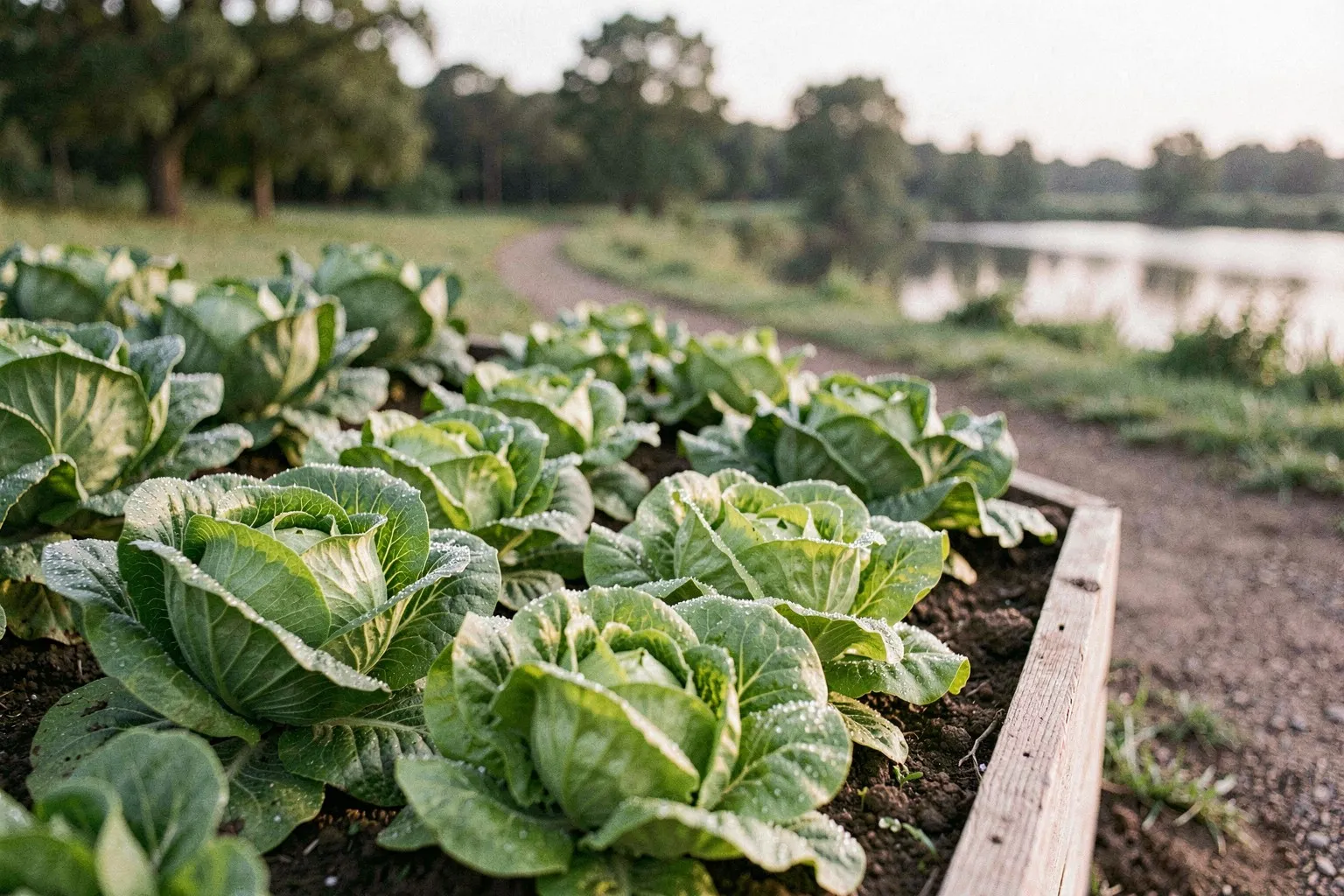
Natural Integrity vs. Over-Processing
| Approach to Food | Guiding Motive | Effect on “Essence of Life” |
|---|---|---|
| Whole, minimally altered foods | Nourishment and restraint | Keeps the “essence of life” the quote refers to |
| Foods altered to please the palate | Taste, craving, and convenience | Destroys the “essence of life,” in the quote’s terms |
This contrast mirrors a broader philosophical question about change: not every modification is an improvement. Some changes build toward a better future, while others—driven by short-term appetite—quietly destroy what was already whole.
Is This Sai Baba Quote Verified?
Under our editorial verification policy, this quote is categorized as attributed, primary source unverified. Searches of the official Sri Sathya Sai Speaks digital discourse archive, including the 1983 “Food and Character” address, do not return this exact English sentence verbatim.
Because the sentence circulates in quote databases without a volume or page citation, its origin cannot be checked. Readers citing this line should present it as attributed to Sathya Sai Baba and reflective of his documented teachings on food and nature, rather than a confirmed verbatim transcript.
For a comparison with a quote whose primary source has been traced—and whose popular attribution turned out to be wrong—see our guide to the Lord Acton’s words on change.
How to Apply This Insight Beyond Diet
Although the quote speaks literally about food, its underlying warning applies to any area where people alter something valuable just to make it more immediately gratifying.
- Question “upgrades” driven only by comfort. Before changing a habit, craft, or tradition, ask whether the change improves its core purpose or merely caters to convenience.
- Ask what the change removes. Before altering something that already works, ask what original quality the alteration might remove.
- Notice when nostalgia or craving drives change. Just as the Gary Ross’s take on change warns against retreating into “false nostalgia” out of fear, Sai Baba warns against chasing sensory novelty at the expense of substance.
- Distinguish necessary reform from restless tinkering. Some systems genuinely need rebuilding, as argued in the Naguib Mahfouz quote about change. Other things—like natural nourishment or core integrity—work best when left intact.
When to Use This Quote
This quote is especially effective in discussions that balance wellness, sustainability, and mindful living.
- Nutrition and whole-food writing: Use it to introduce the difference between whole, minimally prepared ingredients and ultra-processed foods engineered purely for taste.
- Environmental and sustainability essays: Cite it when reflecting on how human attempts to bend nature to short-term desires can deplete ecosystems.
- Mindfulness and restraint talks: Share it in conversations about slowing down, practicing moderation, and respecting the natural limits of what sustains us.
How This Quote Connects to Food and Character
In his 1983 discourse “Food and Character”, Sathya Sai Baba argued that food shapes temperament and conduct, and that the body, mind and heart are nourished by what is eaten. The attributed quote is consistent with that general emphasis on food quality, though it is not drawn from that text:
- Food shapes conduct: The discourse says food “moulds the behaviour, conduct and attitudes of men.”
- Pungent food agitates: It says pungency in food heightens feelings of pugnacity, aggression and vindictiveness.
- Pure food calms: It says Sathwik food purifies the mind and confers Anandha (bliss) to the body, mind and heart.
Questions to Ask Before Changing What Already Works
Whether you are evaluating your diet, your daily routines, or a system that relies on natural balance, ask these three questions:
- Am I changing this to improve function or just to satisfy a craving? Notice when a modification serves short-term convenience or sensory novelty while weakening long-term value.
- What essential element gets stripped away in the process? Every layer of processing, complexity, or artificial polish removes something original; check whether the trade-off is worth it.
- What would a simpler, less altered version look like? Often the healthiest change is stepping back toward whole, unspoiled fundamentals.
How to Cite This Quote Accurately
Because this English sentence has not been located verbatim in the online Sri Sathya Sai Speaks archive, cite it transparently:
- Attribution: Credit the wording as attributed to Sathya Sai Baba rather than attaching a guessed discourse title or year.
- Verified companion source: If you need a dated primary text to pair with it, reference Sathya Sai Baba’s July 25, 1983 discourse “Food and Character” (Sri Sathya Sai Speaks, Vol. 16), which develops his teaching on how food shapes temperament and conduct.
- Clarify which Sai Baba: Specify Sathya Sai Baba (1926–2011) so readers do not confuse the attribution with the nineteenth-century saint Sai Baba of Shirdi.
Background: The Institutions Behind the Name
Wikipedia’s biography lists the institutions associated with Sathya Sai Baba’s movement. These include a free general hospital in Puttaparthi (1954), a hospital in Whitefield (1976), a free super-speciality hospital in Bangalore (2001), a girls’ college in Anantapur (1968), a boys’ college in Puttaparthi (1978), and the Sri Sathya Sai University campus in Puttaparthi, inaugurated in 1981. The same article notes that he faced accusations that were never the subject of a charge, and that its own neutrality is disputed, so readers should treat any single summary of his life with care. None of this bears on whether the food quote is authentic, but it explains why quotations credited to him circulate widely.
Related Perspectives on Change in Our Collection
Comparing Sai Baba’s caution with other thinkers in our change cluster highlights a crucial tension: knowing what to change and what to preserve.
- Preserving nature vs. purposeful action: While Sai Baba warns against destructive tinkering, the Joel A. Barker’s take on change champions purposeful action guided by clear vision.
- Preserving essence vs. changing your past: Where Sai Baba focuses on respecting natural life, the Hugh Leonard quote about change looks inward, arguing that honest growth requires admitting what you would have done differently.
- Consistency under pressure: In a very different domain, what Jose Mourinho said about change shows how leaders resist changing a sound core approach just to satisfy short-term reactions.
Ultimately, the Sai Baba quote about change endures because it flips the modern assumption that every alteration is progress. Before reshaping what nature—or life—has already given you, it pays to pause and ask whether your changes are genuinely adding vitality and nourishment or quietly taking them away.
Questions and answers
What is the full Sai Baba quote about changing natural foods?
The full quote attributed to Indian spiritual teacher Sathya Sai Baba reads: 'Man seeks to change the foods available in nature to suit his tastes, thereby putting an end to the very essence of life contained in them.' It warns against over-processing natural foods purely to satisfy sensory cravings.
Is this Sai Baba quote verified in a primary discourse?
The exact English sentence has not been verified in the searchable online Sri Sathya Sai Speaks archive. His 1983 discourse 'Food and Character' does not contain it, though it does link the quality of food to a person's temperament and conduct.
Which Sai Baba is this quote attributed to?
This quote is attributed to Sathya Sai Baba (1926–2011) of Puttaparthi, India, rather than the 19th-century saint Sai Baba of Shirdi. In his 1983 discourse 'Food and Character' he linked the quality of food (including Sathwik, or pure, food) to mind and conduct.
What does 'putting an end to the very essence of life contained in them' mean?
Read plainly, the sentence says that people alter natural foods to please the palate and in doing so destroy what makes them life-giving. It reflects his documented view that the quality of food matters for mind and conduct, though the 1983 discourse does not use these words.
How does this quote relate to modern ideas about processed food?
The quote is framed in spiritual and philosophical terms, not as a nutrition claim. Readers interested in the modern science of processed foods should consult public-health sources rather than relying on this attributed sentence, whose original source is unknown and which makes no measured nutritional claim.
Our sources
- Sathya Sai Baba - Wikipedia (en.wikipedia.org)
- Food and Character - Sri Sathya Sai Speaks, Vol. 16 (1983) (saispeaks.sathyasai.org)
Related reading
- Hugh Leonard Quote About Change: Meaning, Context, and Source
Read the Hugh Leonard quote about change and regret, check its attribution status, and learn what the Irish playwright meant about self-awareness.
- Lord Acton Quote About Change: Real Author, Source, and Meaning
Check the real author and source of the 'Opinions alter, manners change' quote attributed to Lord Acton, and learn why James Anthony Froude wrote it first.
- Jose Mourinho Quote About Change: Meaning, Context, and Source
Read Jose Mourinho's quote about not changing his mind after a 3-3 draw, check its attribution status, and learn what it says about process over outcomes.
- Joel A. Barker Quote About Change: Source, Meaning, and Use
Discover the verified source of Joel A. Barker's 'Vision without action' quote about change from The Power of Vision, plus its meaning and business use.
- Gary Ross Quote About Change: Meaning, Context, and Source
Read Gary Ross's full quote about change and false nostalgia, learn its verified attribution status, and explore what it means for handling uncertainty.
- Naguib Mahfouz Quote About Change: Meaning, Context, and Source
Read Naguib Mahfouz's quote about change and rebuilding social classes in Egypt, check its attribution status, and explore its meaning on social labor.